Types of Beveled Glass Mirrors
Decorative Beveled Mirrors
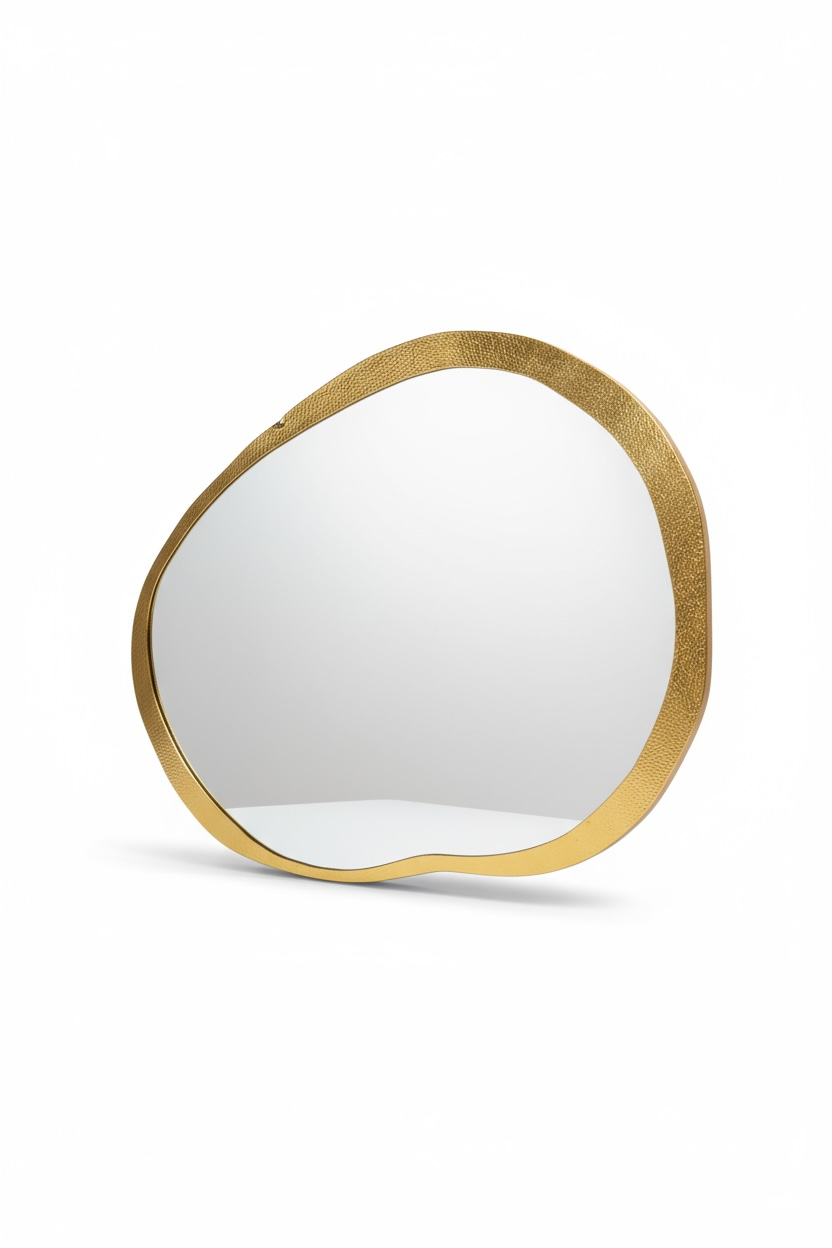
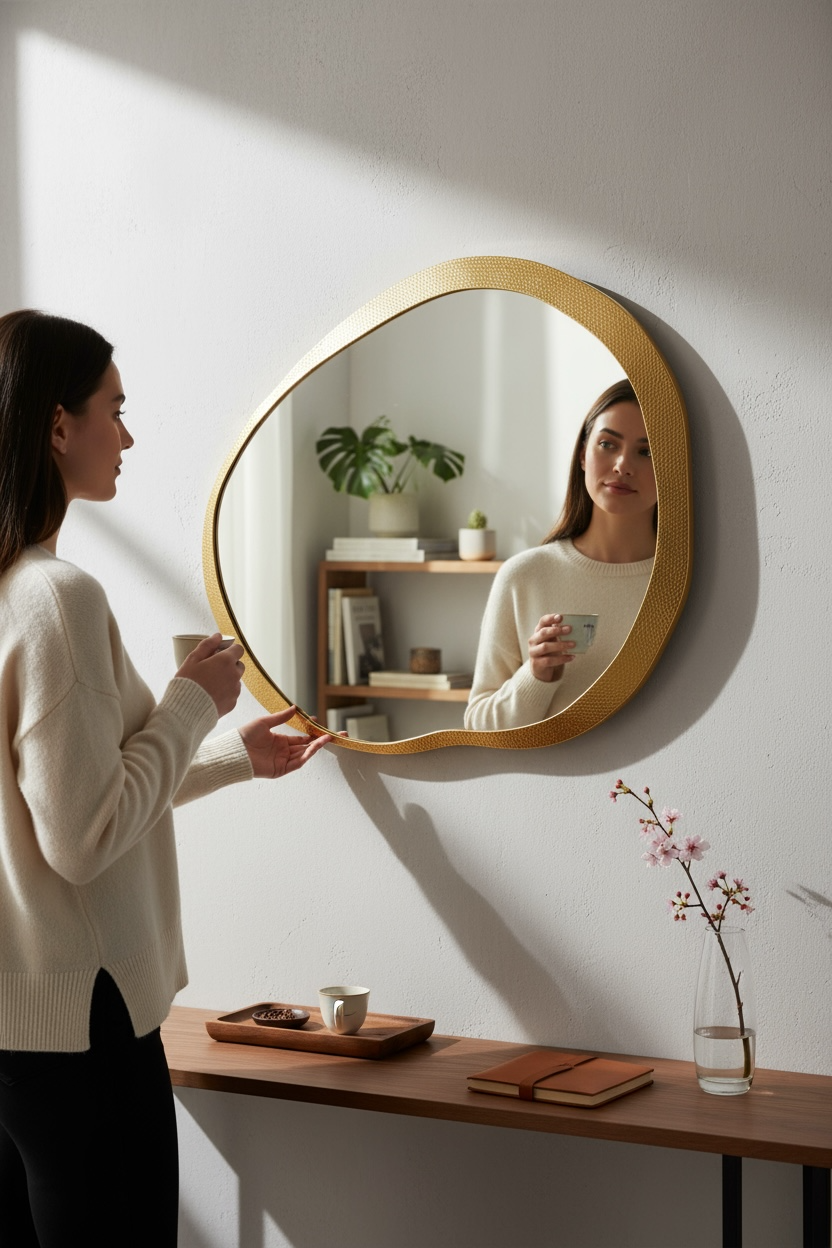
Decorative beveled mirrors use angled glass edges together with distinctive shapes or framing to create a more elaborate appearance. They can work particularly well as focal points in living rooms, bedrooms, entryways and other spaces where the mirror is part of the overall décor.
Round Beveled Mirrors
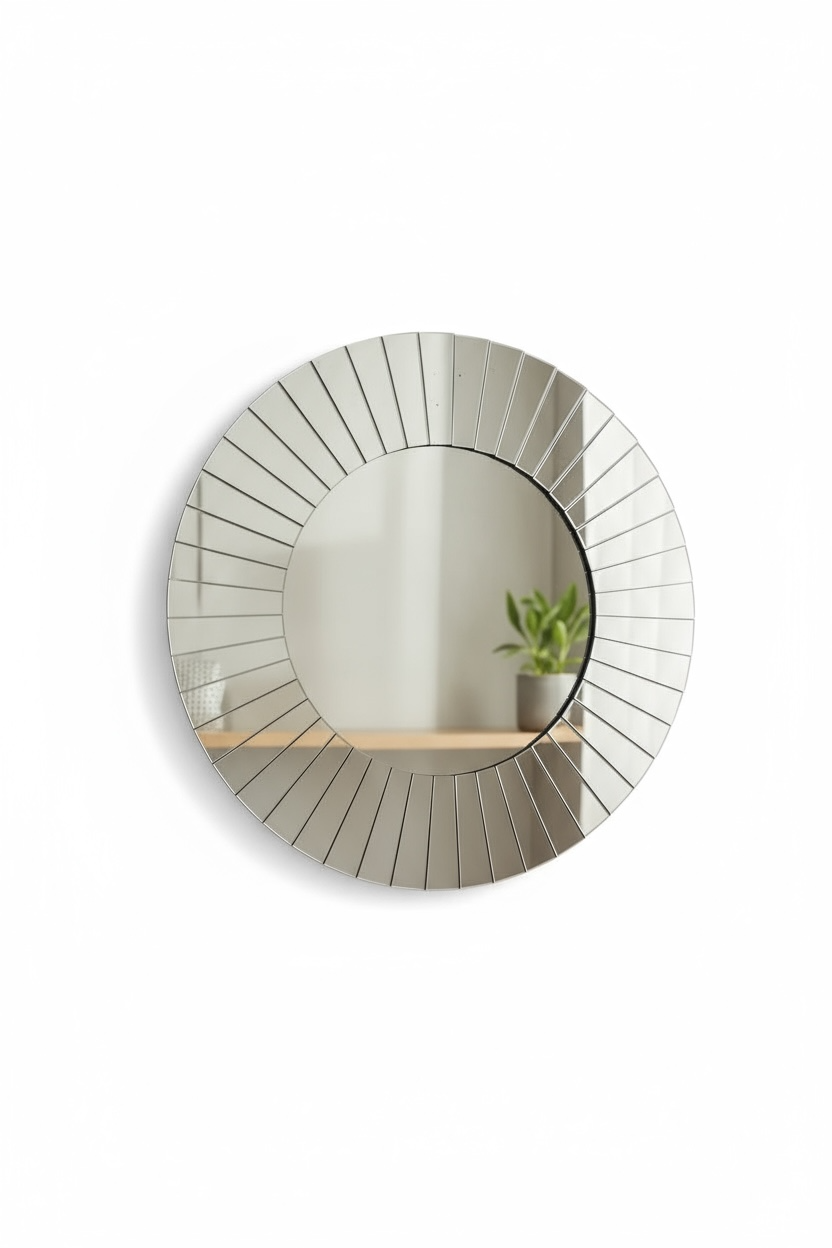
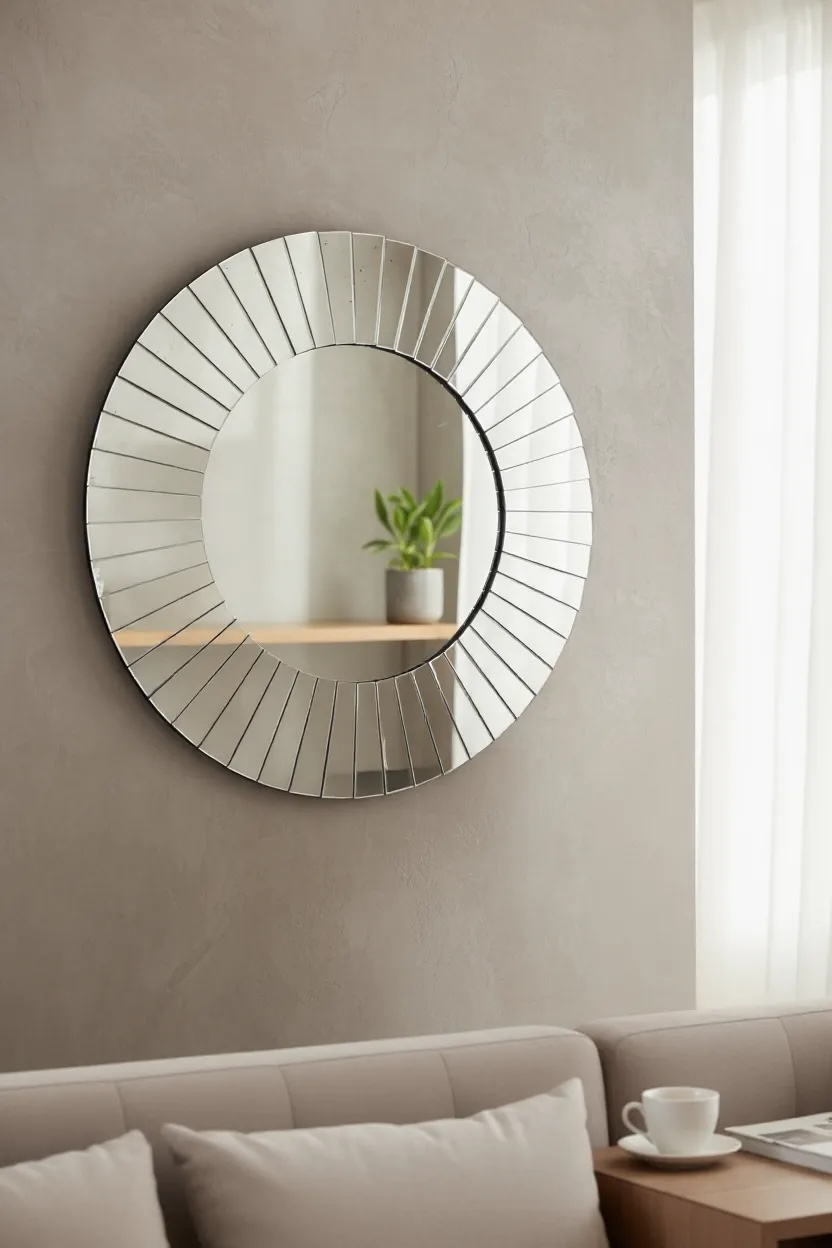
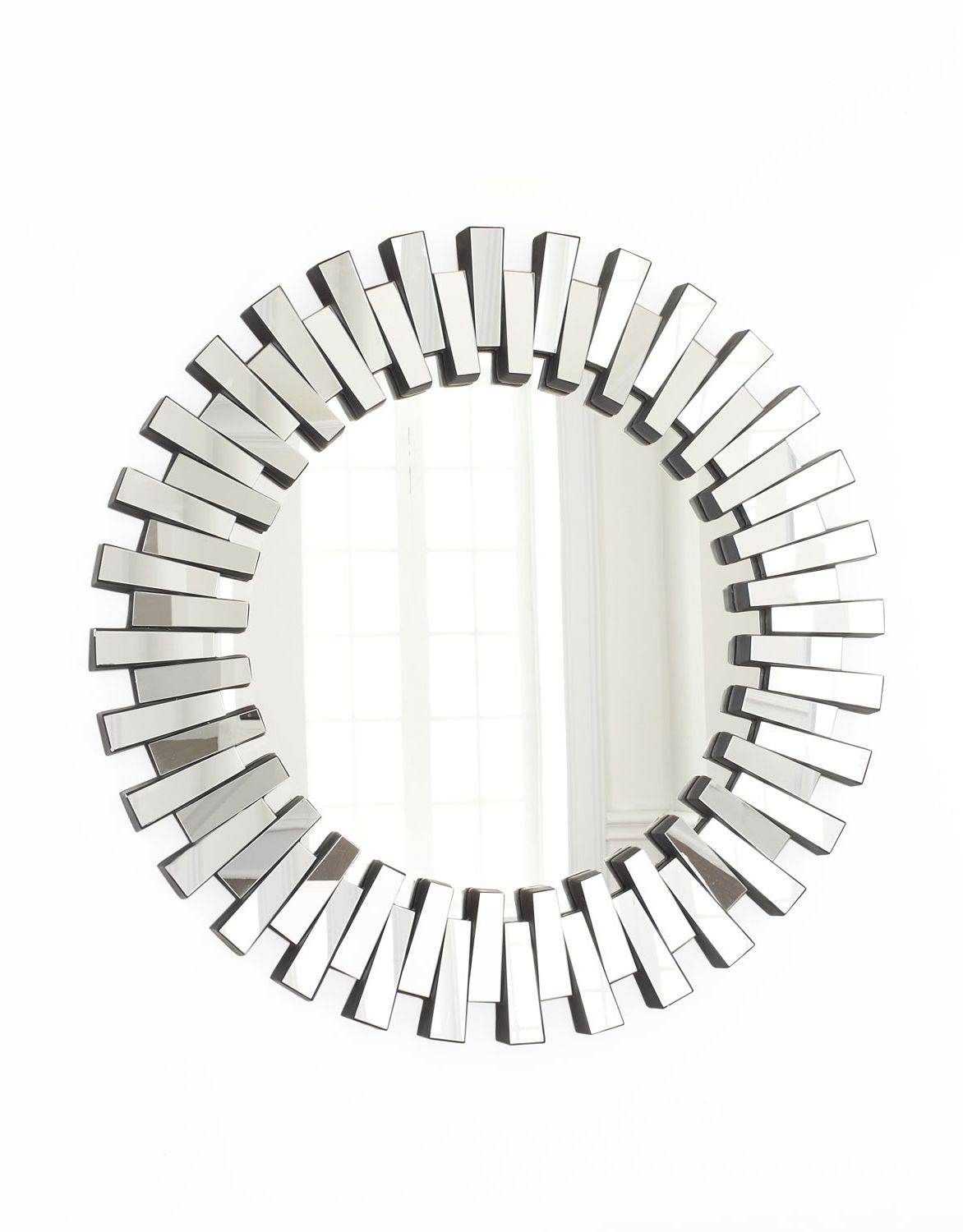
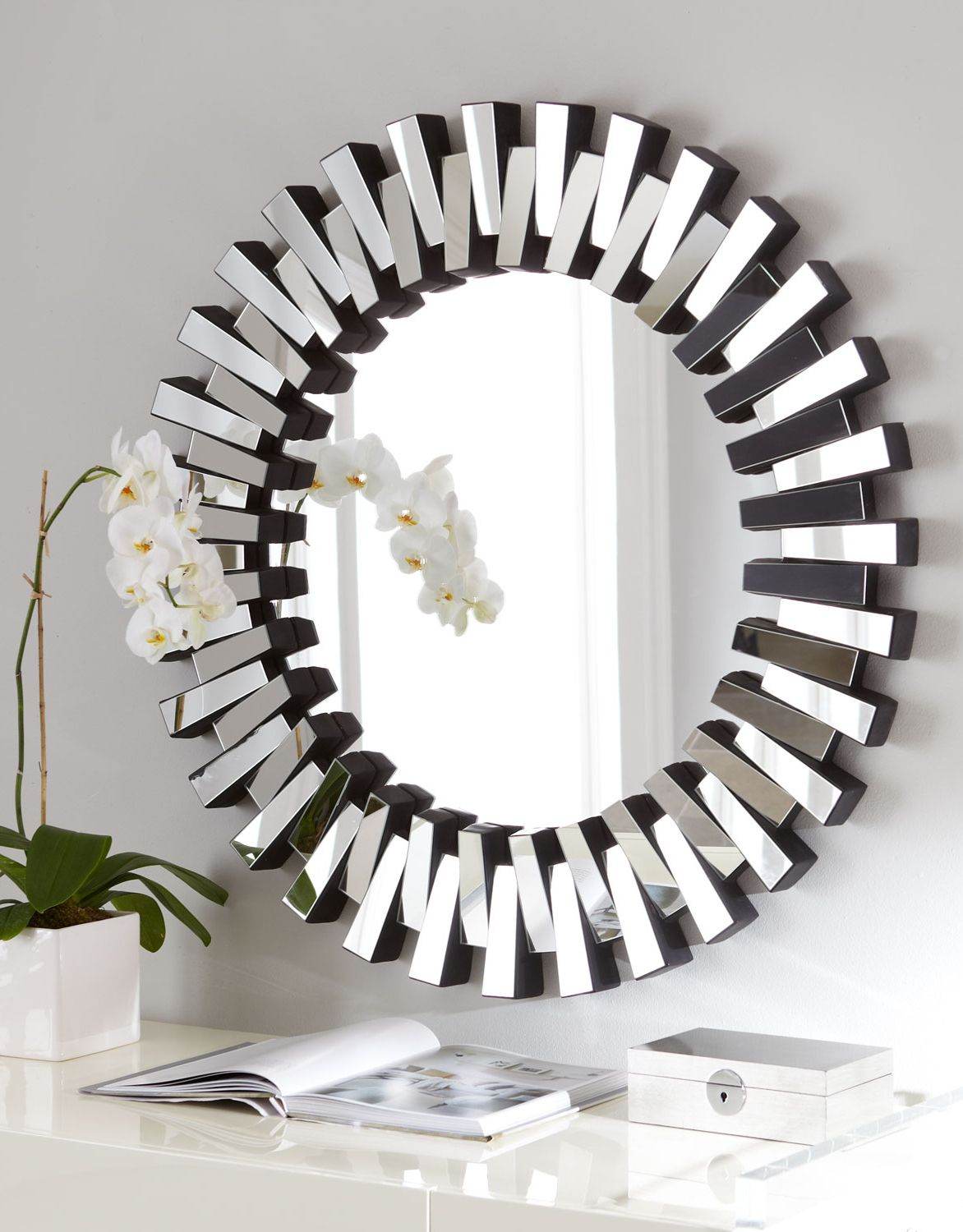
Round beveled mirrors combine the softness of a circular silhouette with the refined detailing of a beveled edge. They can create an elegant contrast against the straight lines of consoles, vanities and contemporary furniture.
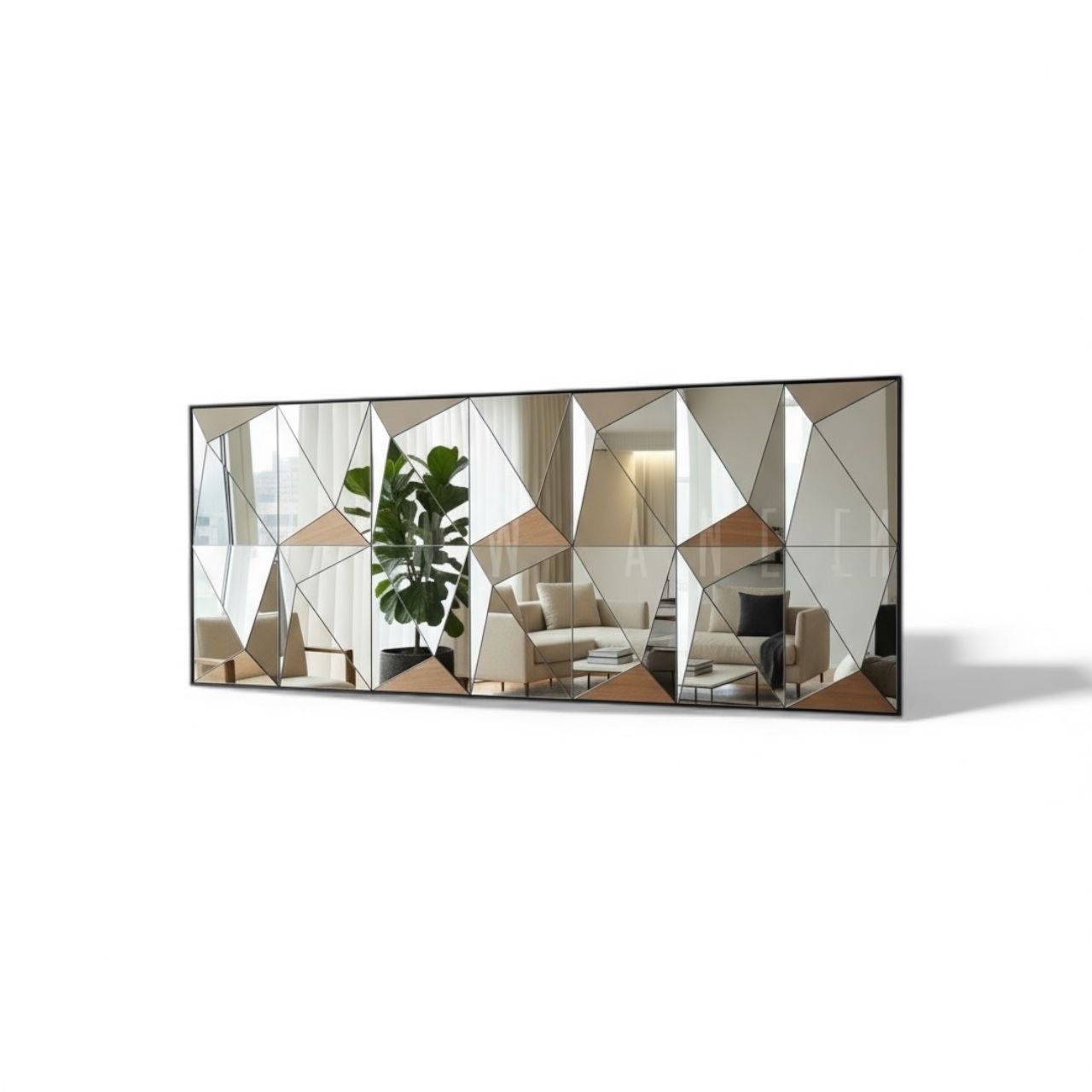
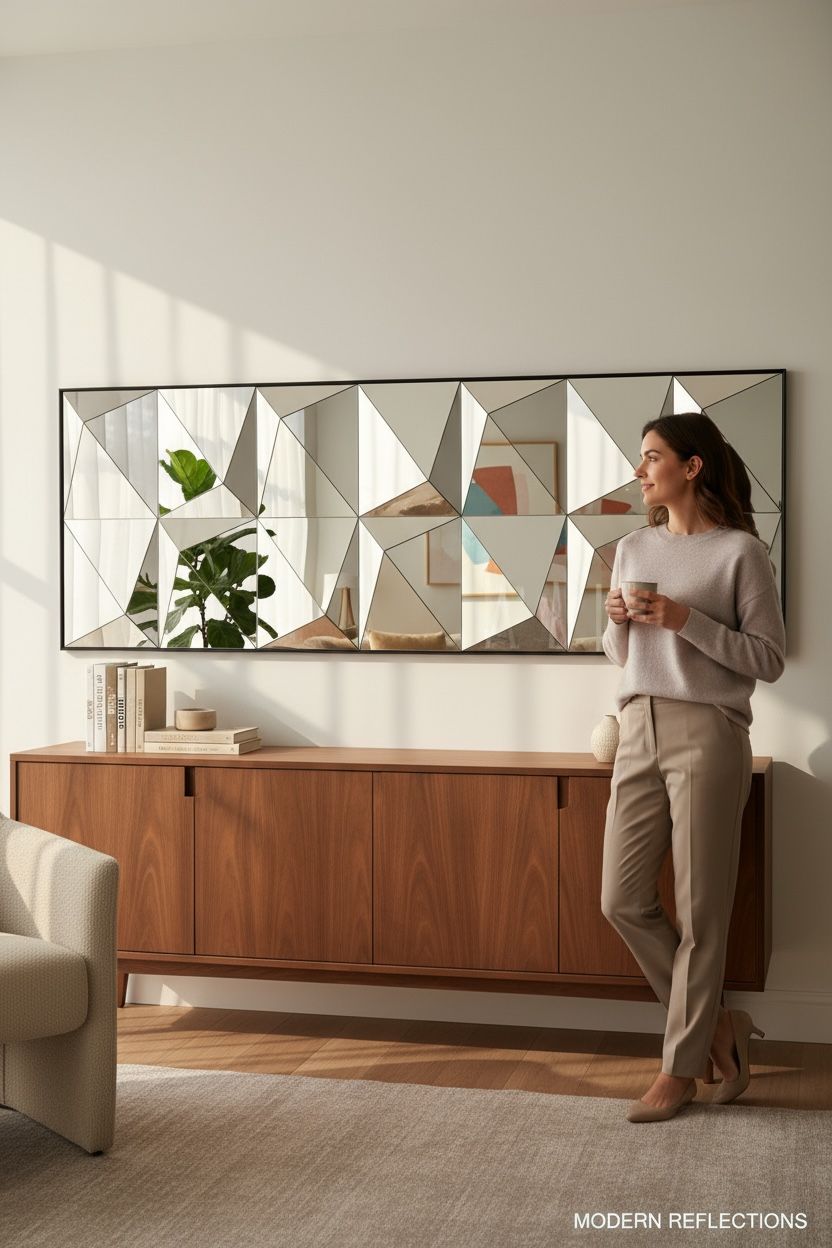
Geometric Beveled Mirrors
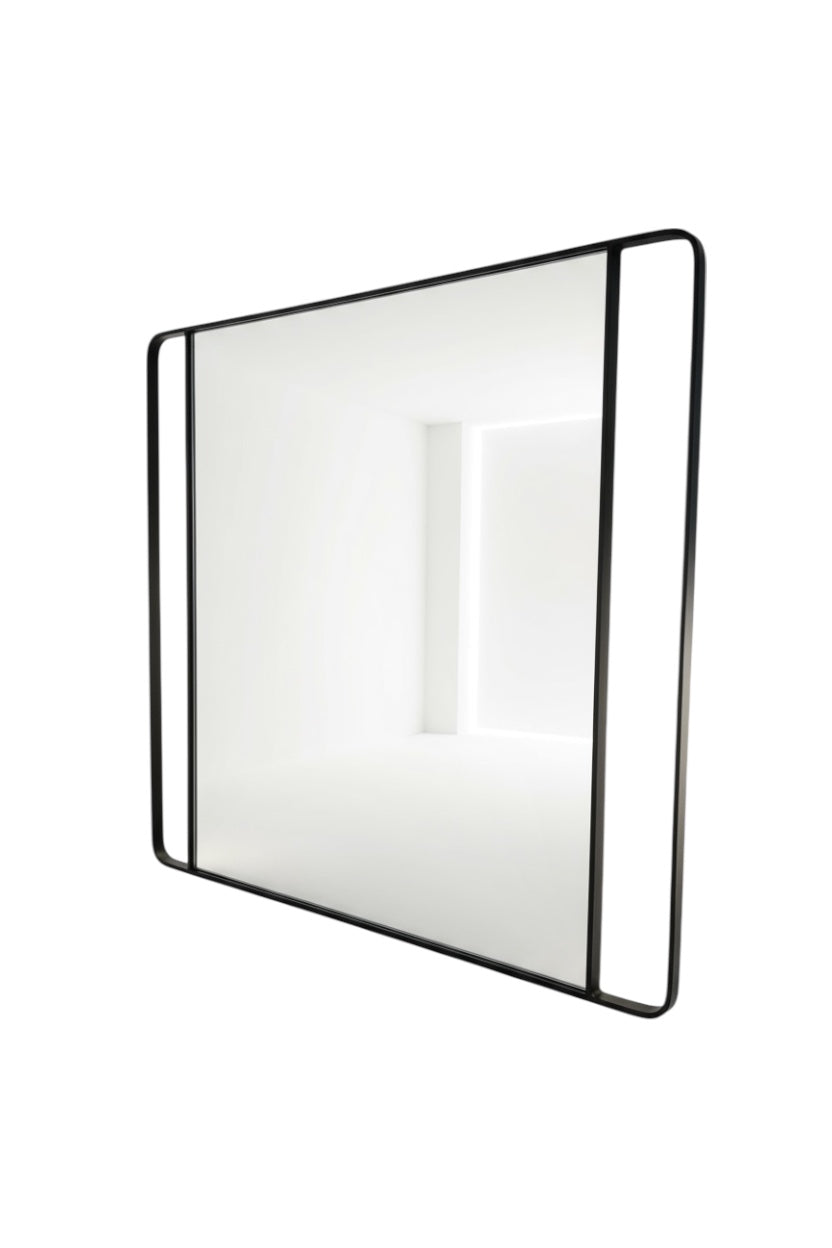
Geometric designs use shapes such as squares, rectangles, hexagons and other structured forms. Their defined lines make them particularly suitable for modern and contemporary interiors.
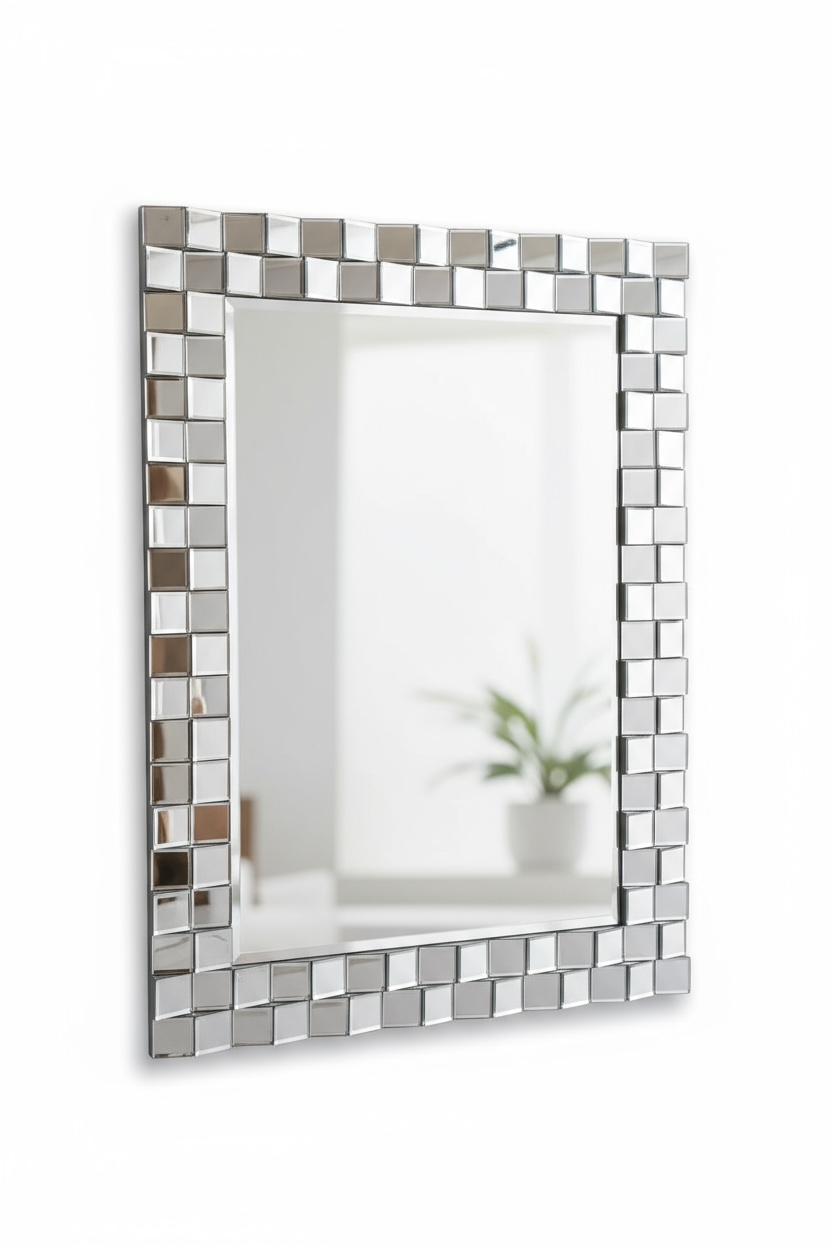
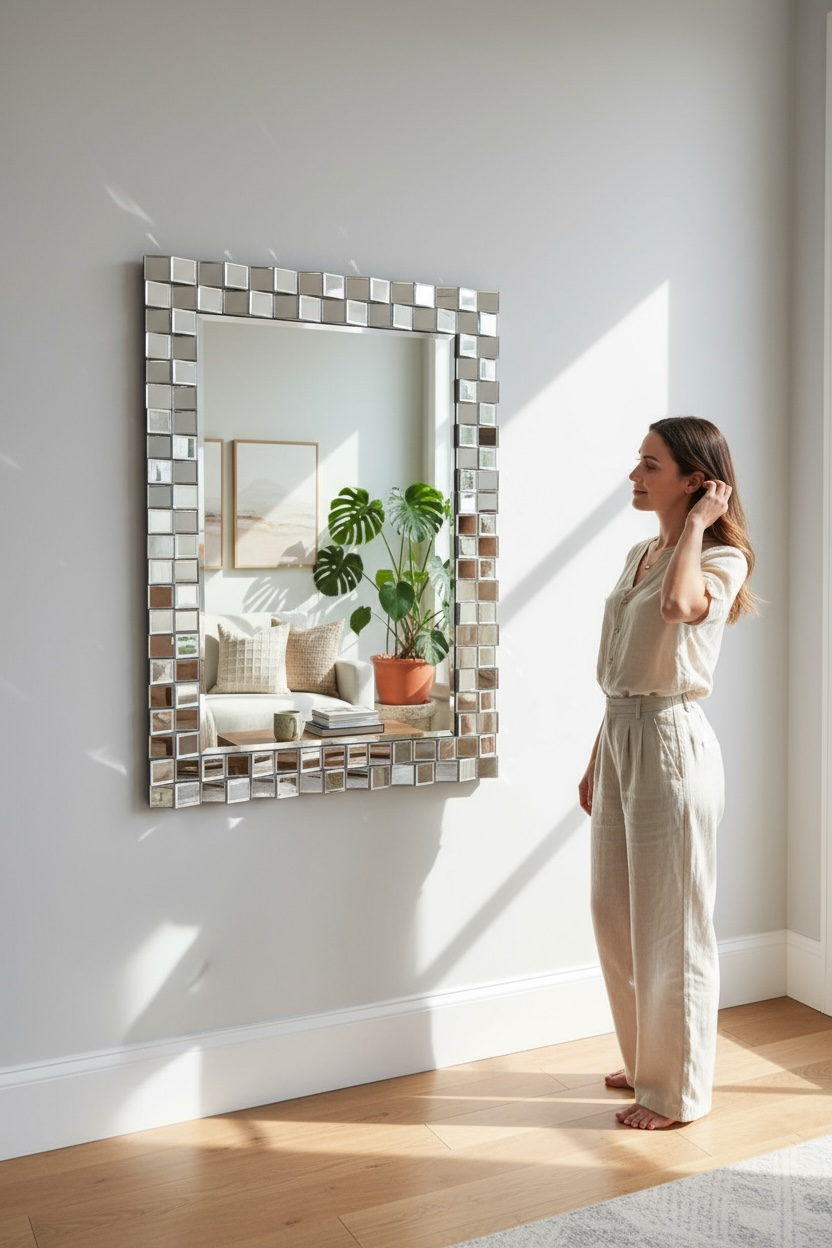
Beveled Box Mirrors
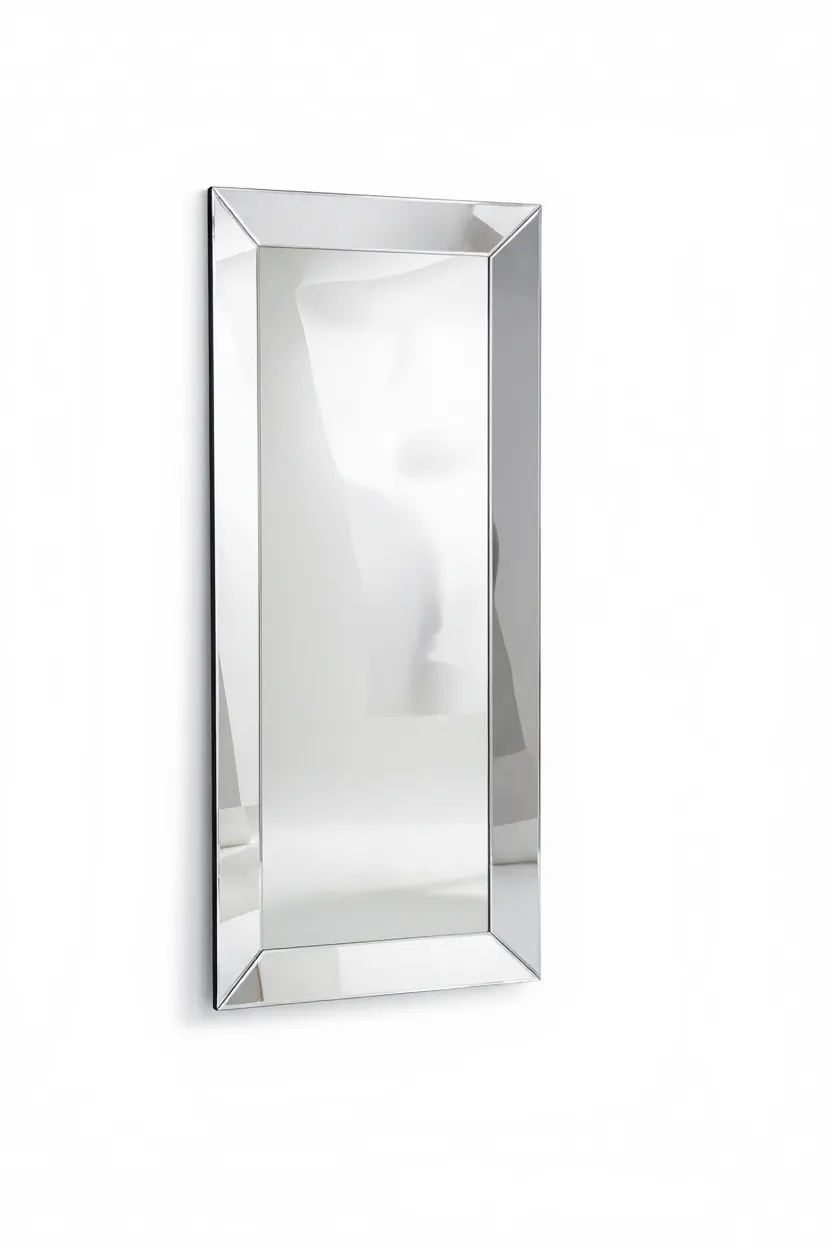
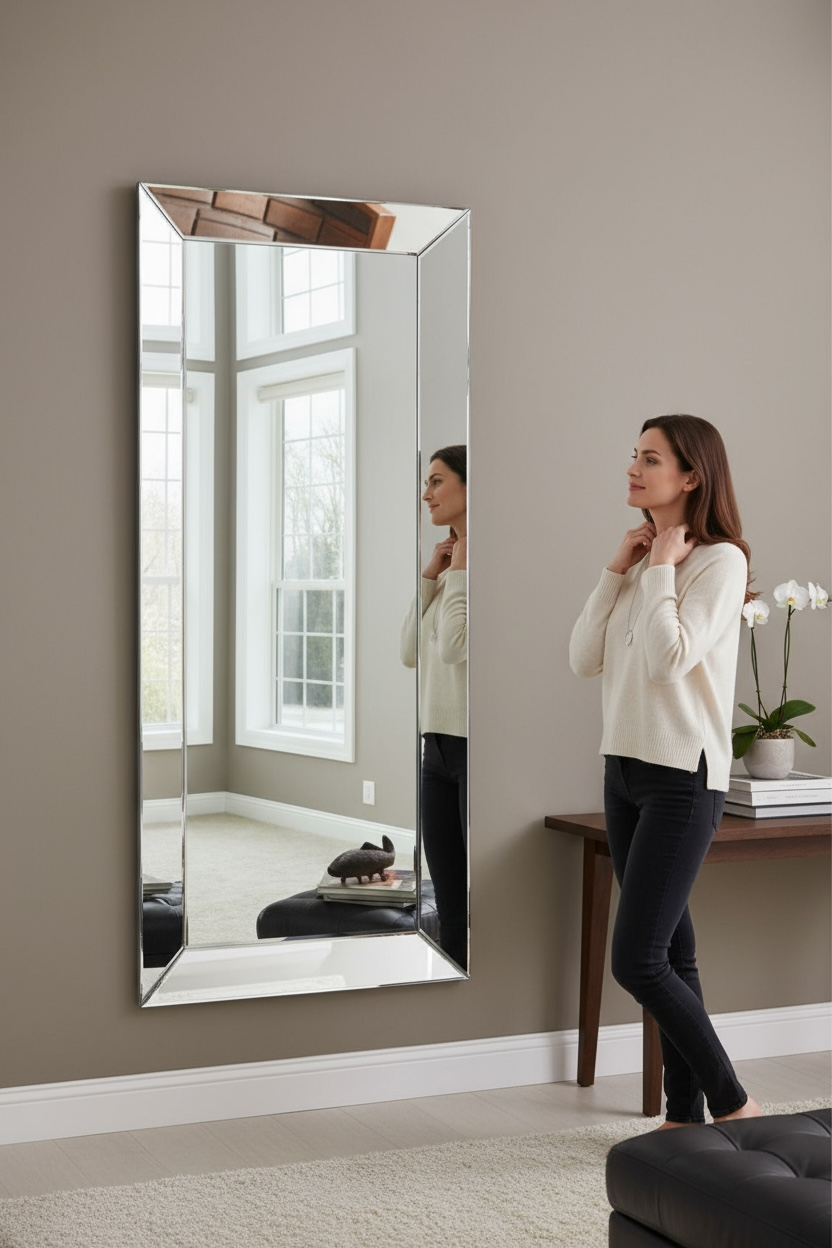
Box-style beveled mirrors use layered or dimensional framing to give the mirror greater visual presence. They can be effective above consoles, dressers or other furniture where a more substantial wall feature is desired.
Antique & Decorative Beveled Mirrors
Beveled glass can also be combined with more decorative or antique-inspired styling. These designs provide the dimensional quality of beveled glass while introducing a more traditional or ornate character to the interior.
How to Choose the Right Beveled Glass Mirror
Choosing the right Beveled Glass Mirror involves considering the proportions of the space, the surrounding furniture and the level of decorative detail you want.
Consider the Size and Proportion
A mirror should be appropriately scaled to the wall and furniture around it. A larger beveled mirror can become a statement feature in a spacious room, while a smaller design may work better above a dresser, console or vanity.
Choose a Shape That Complements the Room
Round and oval beveled mirrors can soften rooms dominated by straight lines, while square and rectangular designs can reinforce a clean architectural aesthetic. Geometric designs can add a more contemporary character.
Look at the Edge Detail
The beveled edge is an important part of the mirror's visual appeal. Consider how the angled glass interacts with light and the surrounding wall before selecting a design.
Match the Mirror With Your Furniture
Consider the materials and finishes already present in the room. A beveled mirror can complement wood, metal, marble, upholstered furniture and other premium interior materials when its proportions and styling are carefully selected.
Decide Between Minimal and Decorative Designs
For contemporary interiors, a cleaner beveled design may be more suitable. If the mirror is intended to become a statement piece, a more elaborate frame, geometric composition or decorative treatment can provide greater visual impact.
Features & Benefits of Beveled Glass Mirrors
A beveled glass mirror offers more than the practical function of reflection. Its edge treatment can give a relatively simple mirror a greater sense of depth and refinement.
Adds dimensional detail
The angled edge creates a subtle transition between the reflective centre and the surrounding surface, giving the mirror a more finished appearance.
Creates attractive light effects
The beveled edges can catch and reflect light differently from the main mirror surface, adding subtle visual variation.
Elevates simple interiors
A well-proportioned beveled mirror can introduce sophistication without requiring an elaborate frame or heavily decorative design.
Works with different interior styles
Depending on the shape and surrounding design, beveled mirrors can complement modern, contemporary, transitional and classic interiors.
Creates a refined focal point
Geometric shapes, layered designs and decorative frames can give the mirror enough visual presence to anchor a wall.
Versatile across rooms
Beveled mirrors can be used in living rooms, bedrooms, dressing areas, bathrooms, foyers and other spaces where both reflection and design matter.
Mirrorwalla's current collection demonstrates this range, with products spanning contemporary geometric designs, decorative mirrors, round styles, metallic frames and traditional-inspired pieces.
Beveled Glass Mirrors for Indian Homes
Beveled Glass Mirrors can complement a wide variety of Indian interiors, from contemporary urban apartments to larger villas and professionally designed residences.
In the living room, a large geometric or decorative beveled mirror can be positioned above a console or incorporated into a feature wall. In the bedroom, a beveled mirror can work above a dresser or alongside a wardrobe and dressing area.
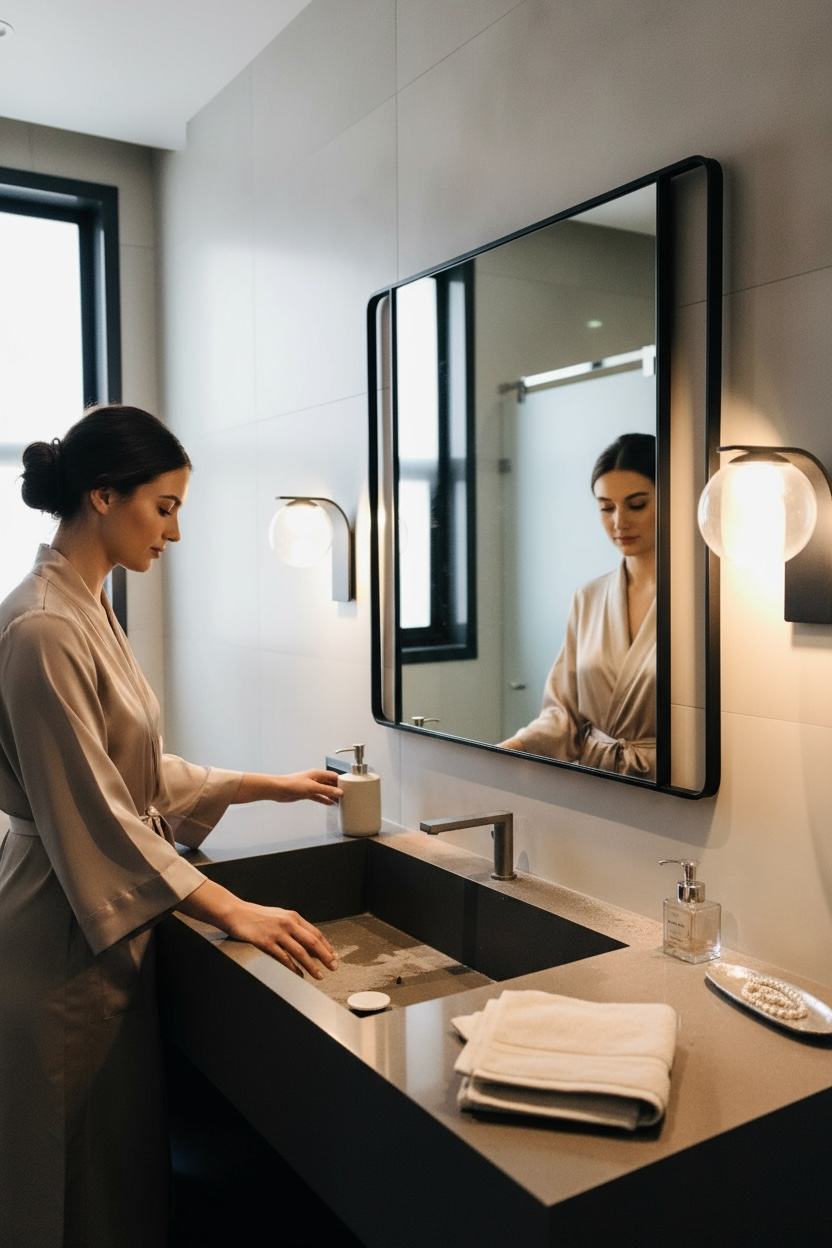
For bathrooms and powder rooms, smaller beveled mirrors can introduce a more refined finish around the vanity. Their angled edges can also add detail to otherwise minimal walls and cabinetry.
In foyers and entrance areas, a statement beveled mirror can create an immediate focal point while reflecting light and surrounding décor.
Beveled mirrors can also complement popular Indian interior materials such as marble, natural wood, brass, gold-toned hardware, metal and textured wall finishes. The right combination can create a polished interior without making the mirror feel visually disconnected from the rest of the room.
For luxury residences, hospitality spaces and commercial projects, larger or coordinated beveled mirror designs can be incorporated into the overall interior scheme.
Custom Beveled Glass Mirrors by Mirrorwalla
The ideal beveled mirror is not always a standard size. Larger walls, custom furniture and specific architectural layouts may require a particular dimension, shape or design treatment.
Mirrorwalla takes an architectural and interior-design-led approach to its mirror collection, with experience across residential and commercial projects in India. The company states that it has been serving these projects for around 20 years and has completed more than 1,000 projects.
For homeowners, architects and interior designers, custom requirements can be discussed for residential, hospitality and commercial projects.
Depending on the project, requirements may include specific dimensions, geometric shapes, frame treatments, finishes or overall design direction. This allows the mirror to be considered as part of the architecture and interior rather than simply as an off-the-shelf wall accessory.




 Amazing Rectangles Decorative MirrorRegular price Rs. 22,500.00